Reflections: how heatwaves and drought have impacted wildlife conservation this season

Reflections: how heatwaves and drought have impacted wildlife conservation this season

This summer, Wales has faced exceptionally low rainfall and intense heatwaves. Our Communications Officer, Maddy, spoke with our team to find out how it has impacted their work and the wildlife on our nature reserves.

Extreme weather has been impossible to ignore this summer. Heatwaves on repeat, plants brown when they should be at their greenest, and an uncharacteristic dryness across Wales. As I write this in August, some trees clearly think it’s already autumn. A slightly unsettling sight.   

At the end of July, Natural Resources Wales declared drought across the whole of the country. The devastating impacts of wildfires have (quite rightly, in my opinion) dominated headlines over the past few months. With those pictures at the forefront of my mind, I spoke to some of our team about the challenges they’ve faced this summer. The team had lots of stories to share - most were less obvious than the wildfire pictures in my mind, and some quite unexpected to me.  

Lizzie, our Head of Terrestrial Nature Reserves, shared how the dry conditions have added an extra level of difficulty to her surveys:  

"The vegetation is totally burned off by the sun, really early, on some of our sites. Alice (Conservation Officer) and I were trying to do botanical monitoring on the South Gower Coast. It was really hard because the coastal calcareous grassland was - well, a lot of it - fried to a crisp. We got quite good at crispy species ID by the end!"  

Lizzie highlighted how heatwaves and drought add extra pressure to wildlife, which is already under strain. There’s a bigger risk of accidental fires, particularly on our reserves which are popular with walkers. And erosion is a big issue. This heat exacerbates erosion and loss of plant cover in high footfall areas, where the ground gets really dry and dusty. Long term, we could see impacts on the seed bank and the survival of some more drought-susceptible species. If plants regularly ‘fry’ before they setting seed, how will they come back year after year? Plus, we know that some invertebrates are negatively affected by heatwaves, which might impact their role in pollination.  

Two people crouched in grassland with clipboards.

© Lizzie Wilberforce

Steph, our Wildlife Trust Officer for Brecon, told me about the challenges of managing grazing in drought conditions:  

“Really hot and dry weather puts a lot of strain on water sources. At Allt Rhongyr the grazier moved the cattle off, as all the water has dried up. This is despite having a massive water tank to catch spring water. The hot and dry weather has meant that the cattle haven’t really moved about the big reserve. They prefer to stay near the water and at the top where there is a breeze.  

Grazing is getting trickier on some of our sites, not just for the animals' welfare, but because sites can easily get overgrazed when it's this dry.   

Also, working in the heat has been a big challenge. We've struggled to do brush-cutting on paths or to control invasive non-native species in the higher temperatures.”  

Grass and wildflowers looking dry, brown, and crispy.

Vegetation at Allt Rhongyr nature reserve. © Steph Coates

The challenges don’t stop with our Conservation Team. One area I hadn’t thought much about was how the heat affected our work connecting people with wildlife. Marianne, our Wilder Engagement Officer, told me about how this summer’s engagement has differed to previous ones:  

“The heatwaves this year have meant we have had to be much more cautious when running events. Attendee wellbeing comes first and with high temperatures come health risks. People who are more vulnerable to extreme temperature will have missed out on events and we have had to cancel a few due to safety concerns. The heat waves are concerning. They are a clear sign of how our weather will continue to change and how we will have to adapt.” 

A slope covered with dry brown vegetation.

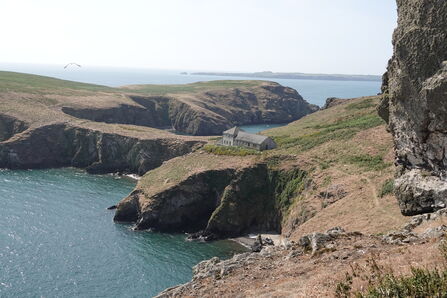
Skomer Island, 2026. © Leighton Newman.

It turns out, being surrounded by water doesn’t exempt you from the effects of drought! Leighton, Skomer Island Warden, shared concerns about impacts on our beloved seabirds and their futures:  

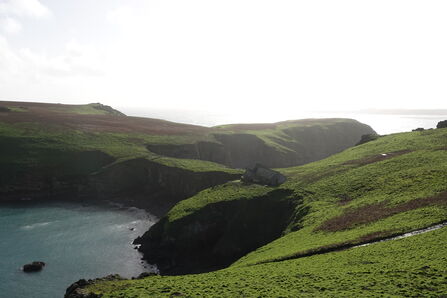
“Due to the lack of rain and extreme heat, vegetation across the island has died off, leading to more soil erosion. The loss of soil is causing more burrows to weaken and collapse and means there will less material for new burrows in the future. This could impact burrow nesting birds like Puffins and Manx Shearwaters on the island. There is a visible difference in how the island looks compared to the same time in previous years.”  

I’m starting to notice a theme. Erosion.  

Lisa Morgan, our Head of Islands and Marine, added:  

“All this erosion makes the surface more vulnerable to what might come next, like heavy downpours and the predicted strong storms this autumn and winter. Losing soil to runoff isn’t just bad news for the seabird burrows. Runoff also impacts the marine environment when the soil enters the sea and causes increased turbidity and sedimentation.”    

As someone working to communicate environmental challenges, I’ve seen a real shift this year. Climate change isn’t a future problem, it’s happening in real time, right now. And it can be hard to read about the state of the environment, both globally and in our patch, without feeling anxious. What gives me hope, though, is knowing that nature has the answers. And I’m hopeful because I’m part of a team putting heart and soul into making a difference for wildlife and people across South and West Wales.   

As well as tackling the biodiversity crisis, nature-based solutions are integral to addressing climate change. Across our region we’re working to create more resilient landscapes that can capture carbon and mitigate climate change effects. 

Flames spread through dry vegetation and shrubs, sending thick smoke into the air. The wildfire highlights the increasing risk of extreme weather and the importance of healthy, resilient landscapes in reducing fire impacts.

Droughts and wildfires in Wales: a warning we cannot ignore

Wildlife Trusts Wales have provided an initial response about the drought and wildfires across the country. 

Read their response

During extended heatwaves and drought, the risk of wildfires increases. The impact on people and wildlife is devastating, and we all have a responsibility to do what we can to avoid them. 

Find out what you can do to help